
‘It was like a big dysfunctional family, but we all got on’
Five years since our unitary councils began, we take a look at how its going so far


By Sarah Ward
Our unitary councils would have to be going some to perform as badly as the former Northamptonshire County Council. The first council in two decades to go bust, the wheels well and truly fell off the county’s largest council when in spring 2018 the cash ran out and the gross mismanagement and the folly of its ‘next generation’ experiment were exposed. From using income from asset sales to fund day-to-day spending; mis-spending the public health grant and running out of cash to even pay nurseries for their services, there was hardly an area of the authority’s services that was being run well.
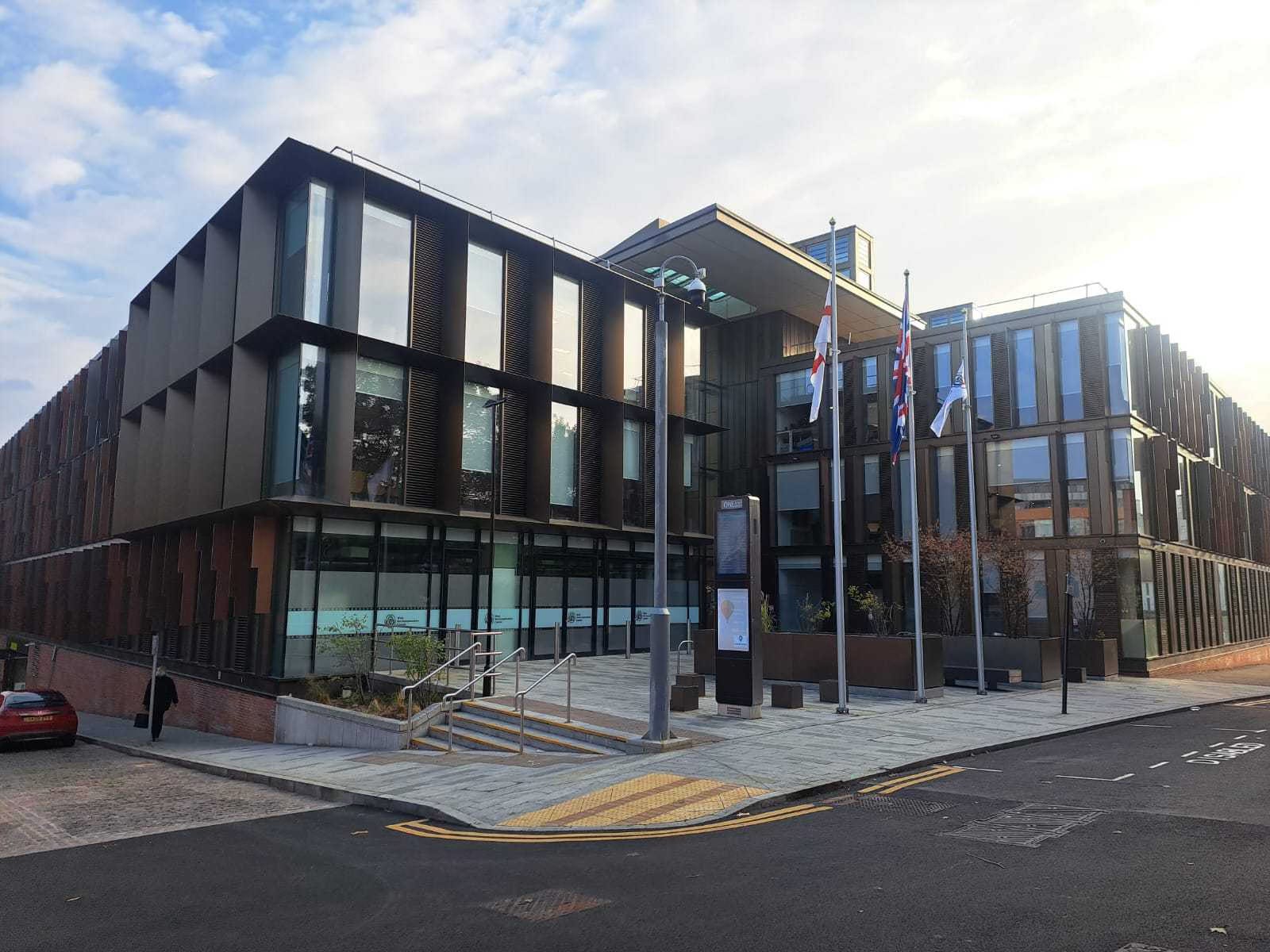
Day after day throughout 2018 there were new revelations about the problems, from expensive PFI deals to colossal debts and the authority even had to sell off and lease back its new shiny headquarters at One Angel Square.
Government inspector Max Caller declared ‘the road to failure had a simple cause’ citing a loss of budgetary control and scrutiny. After Caller decided the issues were ‘too ingrained’ to fix and a ‘clean sheet’ was needed, Theresa May’s government decided to call it a day and forced Northamptonshire to shut down the long-standing two tier system and begin anew with the comprehensive unitaries. All services, from bin collections, to park management, housing and social care would now be provided under one authority, with one council covering the north and east of the county and the other the south and west.
The government sent in a team of commissioners to get the county council out of its immediate mess and move towards the new councils which originally was due to start up in 2020, the date then moved back to April 2021.
As covid hit during the final year of unitary preparations, the goal was changed from having two new councils that would transform the existing service to ensuring they were ‘safe and legal’.
Five years on, here’s a look at where they are today.
Services
Each authority has had to establish its own fully comprehensive system and it has become apparent there are differences in how successful the two councils have been.
The failure of Northamptonshire children’s services, which began back in 2013 with an inadequate Ofsted rating was a large part of the council’s financial collapse. In 2019, the council was found to have missed chances to intervene before the deaths of two toddlers, and after sending in a dedicated children’s commissioner, the government decided to take away the management of children’s social services from the authority and put it into a independent children’s trust.
Since then Ofsted has said the services have improved, especially for looked after children who have left care, but there are still problems. The most recent full inspection was in 2022 and rated the service as requiring improvement.
The cost of the children’s trust is also rising annually and every year since its inception both authorities have to find huge additional sums in-year to cover the costs. The most significant cost is that of placing children in residential homes belonging to private providers, an issue that has not been tackled by the wider council to any effect.
Since 2021 the amount of children being homeschooled across the county has also risen dramatically, largely driven by problems within the special education needs provision. Some families have had to wait much longer than the legal limit to have their children assessed, and there has been a shortage of special school places in the county.
The other big service is adult social care. A Care Quality Commission inspection last month of NNC rated the service as requiring improvement, with long waits for assessment and equipment aids.
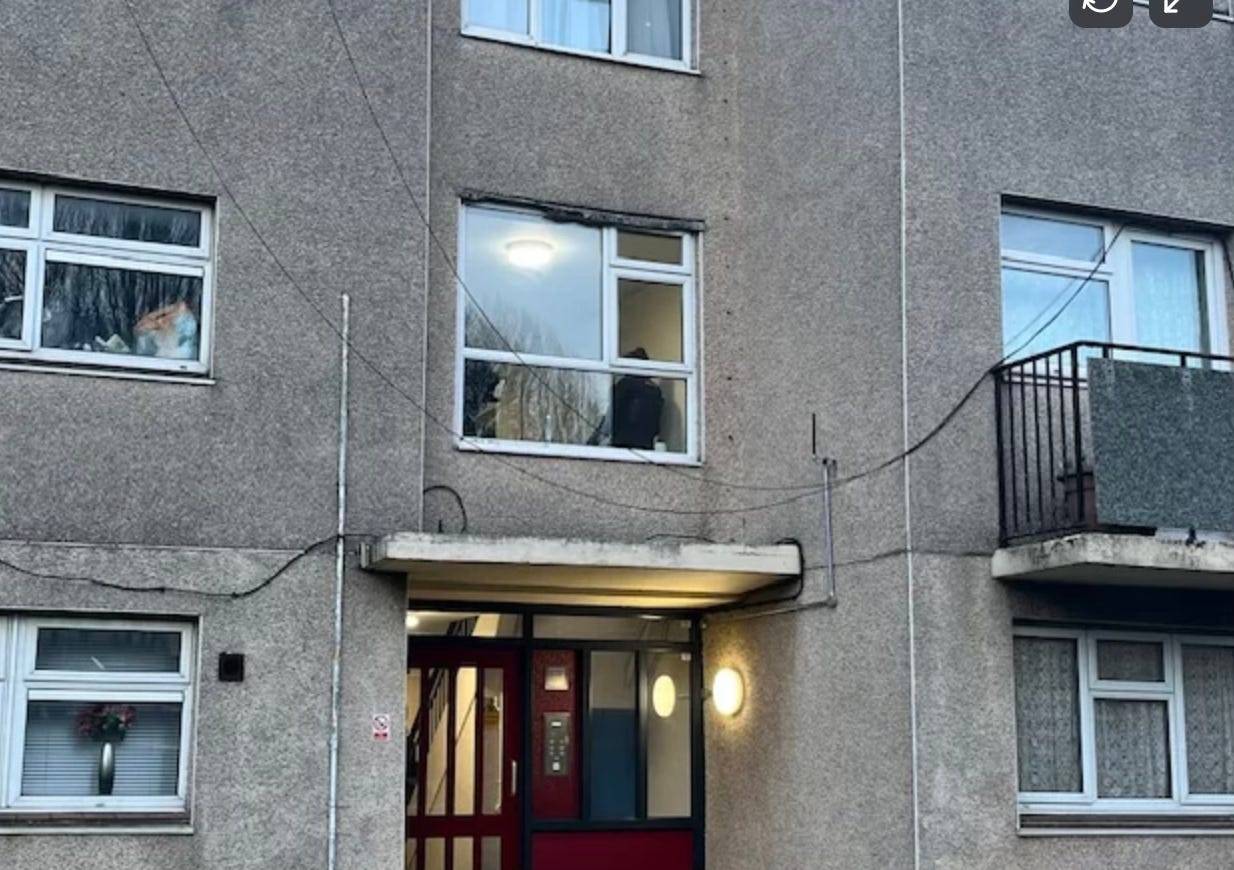
Housing has been another major issue. The arms length company Northamptonshire Partnership Homes (which had been set up by the former Northampton Borough Council) was exposed last year as not delivering on major projects and failing tenants in safety and repairs. Millions of pounds has been wasted on projects that have not been, and will never be delivered and the Regulator of Social Housing found there were ‘serious failings in the service’.
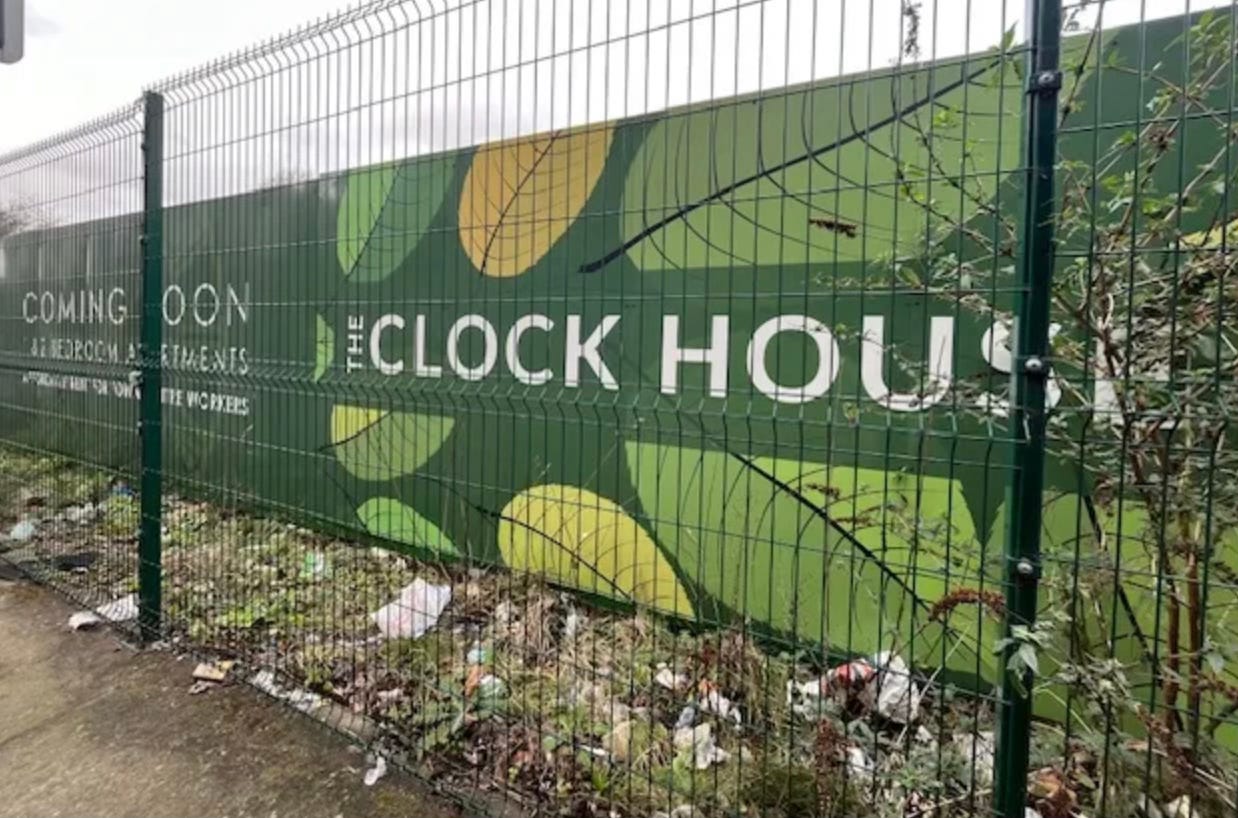
There is no equivalent arms length provider in the North - the council owns the former council housing in the Corby and Kettering area, with the rest owned by well performing housing associations. The Regulator of Social Housing report for the north was better than the west with a grading that says improvements need to be made including completing outstanding stock condition surveys, ensuring all homes meet the Decent Homes Standard, strengthening oversight of health and safety remedial actions and improving the responsiveness of non‑emergency repairs.
Planning is an area which both councils have been failing since their inception. The amalgamation of the planning service from across the west areas led to an issue where the council is now unclear of its planning 106 contributions, what it is owed and what has been spent. It will not be until the end of the year that the mess is sorted. Before than a peer review in 2022 found that planning staff were left “ill-equipped, weren’t properly directed” and had “no sense of vision or focus”.
The North also has issues with its 106 funding, unable to give auditors a breakdown of the balances. And NNC has had several high profile planning issues since 2021. A group of residents mounted a high court challenge over plans by a developer to knock down a line of historic lime trees. The council lost the challenge and the lack of expertise in its planning department was exposed. It also made a huge blunder by failing to notify residents of a huge warehouse to be built close to their homes. It has also been short of planning enforcement officers and has not been dealing with planning matters promptly.
The North is trying to remedy its problems by appointing a new head of development management and enforcement.
And since unitary reorganisation, the issue that appears to be most concerning residents is potholes. A recent national survey found both authorities were among the worst in the country for potholes and a scroll through any social media community group, is littered with tales and photos of cratered roads, with one Corby resident even taking to planting flowers in the large divots.
Kier has had the contract to maintain the roads, a longstanding agreement that goes back to the county council days. And it is unlikely the situation is to be mended soon as the council’s leaders have estimated the costs of mending the roads would run into hundreds of millions, which the councils do not have.
Politics


After mismanaging the finances of the county council, it came as a shock to some back in 2021 that the Conservatives were elected to run both the West and North unitary in that year’s election. (Read this excellent piece from politics expert Kate Ironside, which helps to explain why).
Jason Smithers, the maverick Conservative who had risen to local prominence after severe criticism of his Tory colleagues, became leader in the North and Jonathan Nunn, who had been leader of the former Northampton Borough Council, led the West.
Nunn later quit after domestic abuse incidents of his past were exposed and was replaced by Adam Brown. But perhaps the biggest change to the running of the authorities has been the shock election of Reform UK last May. Influenced by the huge unpopularity of the Labour government, Farage’s bunch of newbies won councils across the country.
In Northants both authorities are now Reform UK led and have experienced their share of minor scandals. Many of those elected were new to politics and had put their names forward for election without a thought to being elected, and since then many have fallen short of standards.
In the North Robert Bloom stood down and was later charged with racially aggravated offences and in the West there has been a series of defections, including by two female councillors, Kathryn Shaw and Joanne Blythe who accused the administration of misogyny. Vice chair of the council Peter York also had to apologise after saying that ‘some women should never have left the kitchen.’
In the North, the Reform UK leader is Martin Griffiths, who for many years was a Conservative and is the former leader of Wellingborough’s borough council. In the West political newbie, Mark Arnull, has been ruffling many features. Last week he called South Northamptonshire MP Sarah Bool ‘unhinged’ in a ‘nasty’ monologue. Both Reform UK groups will this month decide whether to re-elect their leader and senior cabinets, with some changes rumoured.
Staffing
Both unitaries are now on their second chief executive and have been through a significant number of senior officers. The first chief executive of North Northamptonshire Rob Bridge, departed after just two years and was replaced by the current chief executive Adele Wylie, while the West unitary is currently without a permanent chief executive after Anna Earnshaw decided to leave the authority in November. Finance boss Martin Henry is standing in, until the authority appoints her replacement
In the North, the turnover of staff in the children’s services department has been significant with executive directors in five years and five directors of education. The west is on its third director of public health and has had changes in its adult social care department.
With local government reorganisation came a significant cull of staff, as the departments from the former boroughs and districts merged and the former chief executives were paid off.
Since then, as NN Journal has reported previously, there has been staff unhappiness, as the councils attempt to move services into different locations and merge teams.
Staff burnout and stress were being cited just a few months ago in the NNC chamber for the reason why staff are taking on average almost two weeks sick leave a year.
Finances
Like most local authorities, the finances of the new councils are tight. These are the final days before the councils have to close down the current financial year and both had been predicting overspends.
Despite promises before the election, both Reform UK councils have raised council tax by the maximum amount of five per cent.
And residents and the authority cannot have clarity on the finances as since they were started, neither authority has had a qualified audit. The national problems with a lack of auditors (the former government gave the contract to a company who could not service all local councils) and the issues with closing down eight councils and amalgamating them into two has caused problems year on year, with late audits and disclaimed opinions.
Recently the north auditor warned the council ‘needed to show progress’ next year, otherwise he may have to issue statutory recommendations next year.
Councillors’ views


Three councillors who were around in the days of a two tier system and are still serving on the unitary councils are Conservative Helen Harrison and independents Jim Hakewill and Julie Davenport. We asked them for their take on how the unitary reorganisation has worked so far.
Helen Harrison, was part of the Conservative administration that ran NNC from 2021-25, and before that was an East Northamptonshire Council member. She is now leader of the Conservative opposition at NNC.
She said:
“I think it has been broadly successful. I think parts of it make a lot of sense, for example having housing and adult social care in the same organisation makes a lot of sense, as housing used to be with the district and adults used to be with the county council.
“I think bringing services together hopefully means that the different departments work quite closely together. I think that has been a good thing.
“Where I think it’s less successful is that whole feeling of services being delivered further away from people. It is hard to maintain that level of localism that you used to have in the district councils.
“So it is swings and roundabouts, but overall I think it has probably been more successful than not.
“I feel there is a lot of professionalism in the officers because it is a bigger, better, more important council than any of the const parts were before then, so I think now that things have settled down we do attract a high calibre of officer.”
Julie Davenport, served on the former Northampton Borough Council and has been the independent councillor for the Far Cotton, Delapre and Briars Hill ward since 2021.
She said:
“I think in the first four years I found I could get a lot more achieved than I have been able to in the past year [since Reform UK have been in charge]. And that is because the administration in the first four years, they were non political. I could go to any cabinet member and I could usually get things done. They really wanted to help.
All of those experienced councillors knew their way around, but what we have now is new cabinet members who don’t know their way around.
“I have given up going to them now because all they do is ask the officers, who I have already asked. So matters are not being escalated by going to a cabinet member. So I am struggling this past year.
“Mark Arnull seems to think he is in parliament [when speaking at the council]. He becomes very personal and I now hate going [to council meetings] because it becomes so nasty.”
She continued:
“I just loved the borough council and I loved the first few years of unitary. It was like a big dysfunctional family, but we all got on. I don’t see cost savings going over to a unitary, but I don’t think any of us expected that.”
Jim Hakewill has more than 40 years of local government experience as a councillor under his belt and is now an independent councillor representing Rothwell and Mawsley. He is also chair of NNC’s corporate scrutiny committee.
He said:
“The underlying problems that caused Northamptonshire to hit the buffers are still there, essentially the cost of adult and children’s social care, which amounts to about 70 per cent of the budget.
“It is hard to see a solution to the annual overspends, as this is happening across the country. 40 councils have had to go cap in hand to the government to receive what is now called emergency financial support and was formerly a section 114 notice.
“We now have 144 councillors in Northamptonshire, whereas before unitary we had 321, so absolutely there is less representation. Therefore the close relationship we used to have has been lost.
“In the most recent local elections, 47 of the councillors on North Northamptonshire had no experience of being a councillor, so that has been quite a learning curve for many.
“However in the North we are lucky to have five of the ten members of the executive have significant experience and that is a real benefit.
“The current [Reform UK] administration is far more enthusiastic about working with other councillors, which was certainly not the case for the first four years. I do see a willingness to listen.”
From the archives. Some stories about the councils over this past five years. Head to the archive on our website for the full back catalog.
Exclusive: Miscarriage of justice landlord sues council for up to £14m damages

To receive a daily morning email from NN Journal sign up here. Free and paid options available

In reality if the dustbin lorry didn't have a different logo would we have noticed any difference.
The creation of the unitary councils was driven by political dogma rather than by a business case and we're all going to be paying the huge cost of that for many years to come
A very good summary of how we got to where we are. It was also interesting to revisit Kate Ironside’s piece from 2021. “…good leadership, as we have seen with Nick Adderley at Northamptonshire Police “ shows how we’ve all accepted crooks, wrong ‘uns & grifters into positions of power, both in government and in the local authorities.