
Northants' Reform UK councils both propose maximum council tax rise
Residents are going to be expected to pay more for local services as the authorities have a funding gap
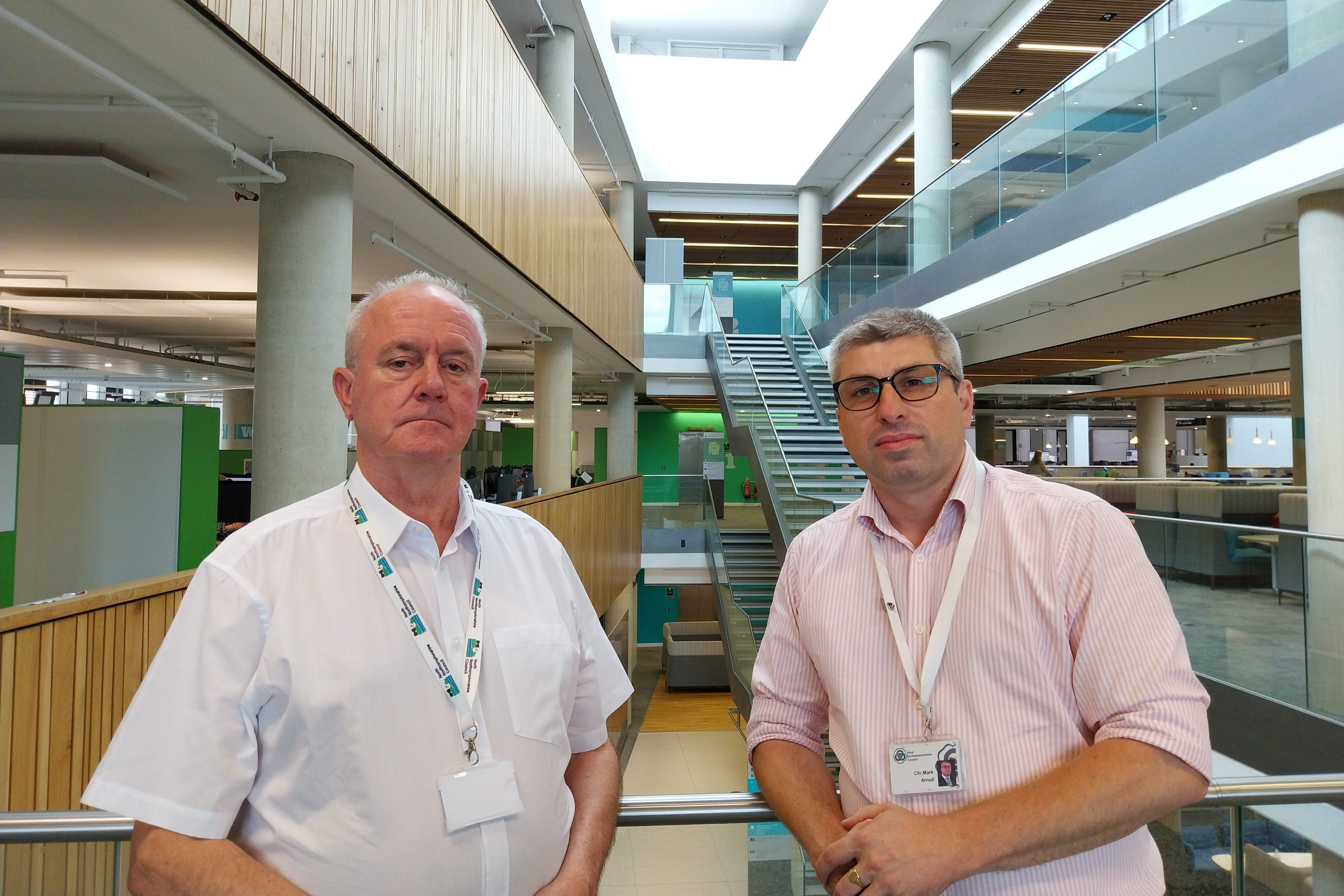
By Nadia Lincoln, local democracy reporter and Sarah Ward
Reform UK’s Northants unitary councils are both proposing the maximum council tax rise.
From April, residents can expect to see their bills for local services go up by five per cent.
In the North, the executive led by Cllr Martin Griffiths, approved the draft budget for the upcoming 2026.27 financial year yesterday and the West is expected to do the same next Tuesday (December 22). After a six week consultation the full council will vote on the final figure in the new year, although with Reform UK having a significant majority on both councils, the proposals are expected to go through.


Speaking at the North executive meeting, local resident and former Labour councillor Lyn Buckingham said:
“Adult social care is facing rising demand, inflation and workforce pressures, yet the plan relies on efficiency savings, increased client contributions and strength-based practice to cope.
“In reality, that means people feel the impact first and the council pays later through crisis care, delayed discharges and safeguarding costs.
“Then there are low-income working households and a 4.99 per cent council tax increase may be awful, but it lands alongside rising fees and charges.
“Whilst council tax support is protected, many households just above the threshold will take the hit directly.”
The proposed £431m budget for 2026/27 will be used to provide a range of services across the area, including care for vulnerable adults and children, collection and disposal of waste, highways maintenance, housing and support for those who are homeless.
The maximum council tax rise will see the bill for a Band D property in North Northants rise by £91.17 for the year to £1,918.23. This figure does not include the precepts set by individual town and parish councils or the Northamptonshire Police, Fire and Crime Commissioner.
Fees and charges for the next financial year have also been reviewed and will include an increase in leisure fees and the annual charge for the council’s garden waste service from £50 to £62.
Harking back to arguments that used to be put forward by the former county council before its finances fell apart, finance executive member Cllr Graham Cheatley and leader Cllr Griffiths highlighted that NNC’s council tax levels are in the lower half of unitary councils nationally, based on the average amount residents pay.
He added:
“This is a serious and realistic financial plan produced in a very challenging national context. It does not rely on optimism or unconfirmed government funding, but it sets out the position as it genuinely is.”
Cllr Griffiths said:
“Fair funding was the opportunity for the government to distribute funding based on the actual need of our communities rather than historic allocations. For our council, it was the chance for government to review our data, our growth and our need and fund us accordingly.
“We are deeply disappointed that, despite early indications that our council funding would support us to be financially sustainable, our funding is likely to be one of the worst of all county unitary councils, as a result of recent changes to the funding formula.
“The latest change moved funding from rural areas, such as ours, to metropolitan areas. If government do not fund us correctly, our residents will pay either through reduced services or through increased council tax.”
West Northamptonshire Council (WNC) is proposing a £458.9m budget for 2026/27, which will be shared between day-to-day spending on services like care for vulnerable adults and children, the collection and disposal of waste, leisure and community wellbeing, highways, planning and housing and support.
The proposed council tax rise will see the bill for a Band D property in West Northants rise by £93.16 for the year, taking the average charge to £1,960.14 annually. This will generate an additional income of £17m for the council.
Cllr Mark Arnull, leader of WNC, said:
“This has been the toughest budget-setting since our council was formed five years ago and certainly the toughest, most difficult set of decisions our administration have had to take since we took over in May.
“We could see the huge scale of financial pressures we inherited and the relentless annual savings the council has made in the light of rising service demand and continued under funding. Despite councillors and officers working hard to unearth many more millions of pounds in efficiencies, we simply can’t find enough to bridge such a huge financial gap.
“So, as with previous years, we must look to other measures once again, like council tax and fees and charges. We know these proposals aren’t going to be popular with everyone but our top priority has to be protecting the most essential services and our most vulnerable people and ensuring we do propose a balanced budget for next year.”
WNC started its budgetary process this year with an anticipated shortfall of £50m for 2026/27 and identified around £20m of efficiencies and savings towards closing the gap.
However, that was not enough to balance the books in itself and other fee increases have been proposed, including a rise in car parking costs and an increase in the annual charge for the council’s garden waste collection service from £60 to £80.
A general contingency budget of £7m has also been maintained to cover any future budget risks in 2026/27. WNC has fully used its £11.4m contingency budget set aside for this financial year, however is still forecasting an overspend position of £10.5m.
Further medium-term budget forecasting predicts WNC will face a £12m funding gap in 2027/28, rising to a £50m cumulative gap in 2030/31.
Despite pre-election promises, Reform UK councils across the country are putting up council tax, as they discover holding office and finding savings is not that easy after years of central government cuts to local government finance.
In Worcestershire, the Reform UK county council has applied to the government to ask for a special dispensation to raise tax by ten per cent as it faces a £74m shortfall.
Can anyone explain how Reform-led councils are an improvement on their predecessors.? Clueless and touchy with it.
Reform promised at the election to lower council tax bills. They promised to find tens of millions of pounds of waste to fund that tax reduction. At the time, I thought that they were delusional and lying to the electorate. As expected, they failed miserably. This is a worse failure to deliver on a manifesto than the Tories in West Northants before them or Labour nationally. They are now going to charge for parking in Daventry, Towcester and Brackley which will damage those town centres. Don't trust lying Reform - unless you want to pay each time you visit your GP or A&E after the next GE..