
Friday brief: Council investigation finds no evidence childhood cancer rates are higher in Corby
Plus news from across the county
By Sarah Ward
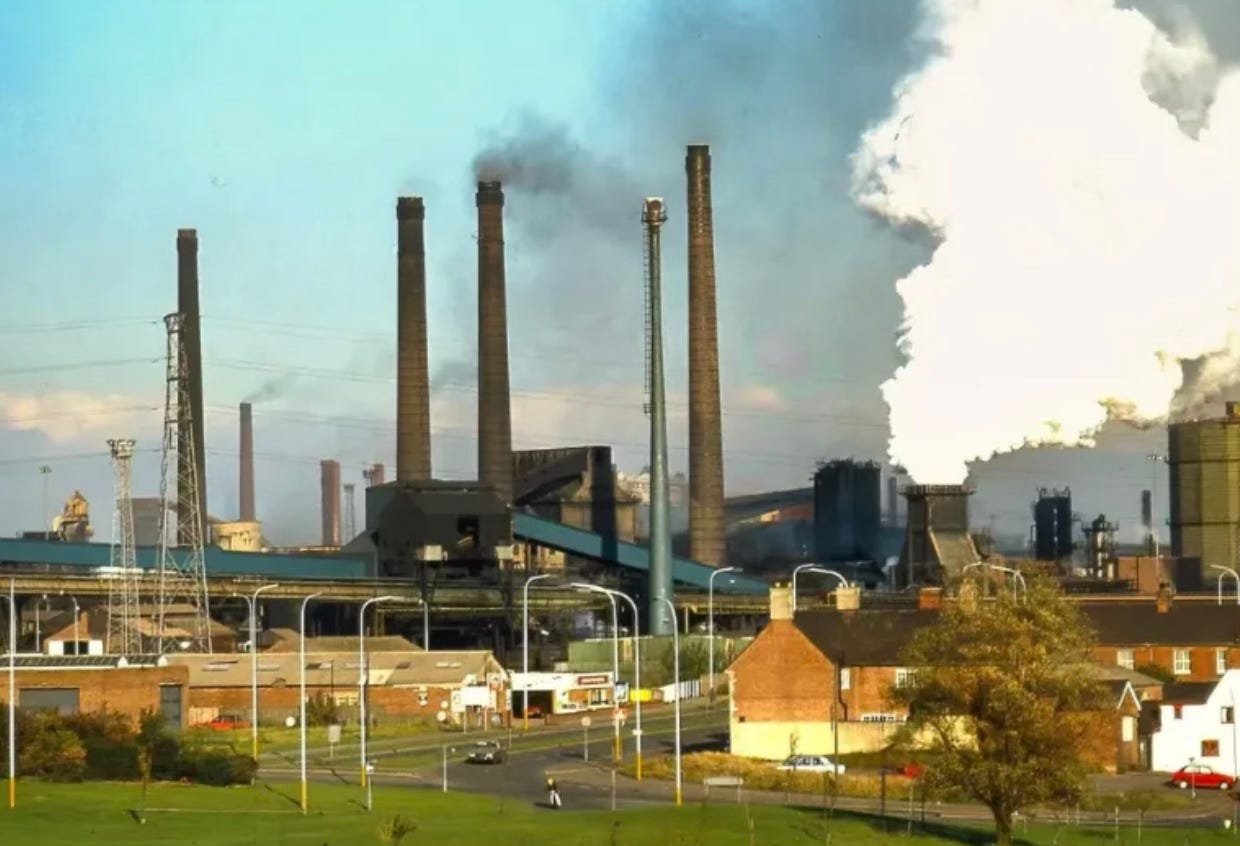
An investigation of cancer rates by North Northamptonshire Council has concluded that childhood cancer rates are not higher in Corby.
The authority’s director of public health Jane Bethea made public the findings this morning, after telling campaigners of the conclusions earlier this week.
A group of parents, led by Alison Gaffney and Andy Hinde, whose son was diagnosed with cancer in 2018, feared his illness and others had been caused by the legacy of the mismanaged clean up of toxic waste left behind by the steelworks in the 1980s and 1990s.
In response to their campaign the council said it would investigate and work with government agency the UK Health Security Agency and the NHS funded National Disease Registration Service (NDRS) to look at hospital data and cancer statistics.
The data looked at the past decade to 2025 and the report says:
“In summary, the analyses presented do not provide evidence to suggest that rates of childhood cancer in Corby are higher overall, or that there are areas within Corby that have higher than expected rates.
“These two analyses have been completed independently of each other, and both have similar findings. The analyses have looked at 10 years of data (although the HES analysis will include children diagnosed prior to 2015) and the methodology and the interpretation have been reviewed by external experts to give us as much confidence as possible that what we have done provides a true picture of childhood cancer rates in Corby.”
The analysis by the NDRS found that childhood cancer rates were not higher within 5km of Deene Quarry (where the toxic waste was largely contained). It found the rate for the area within 5km was 9.8 per 100,000 residents per year and for the rest of the Corby area (excluding the Deene quarry area), it was 11.6. The overall rate for Northamptonshire was 13.0 and the rates for the East Midlands and for England were 15.1 and 16.4 respectively.
The study also looked at the range of cancers and found there was not more than one type of cancer, with the most common forms being leukaemia and lymphomas, in line with proportions found nationally.
Jane Bethea said:
“First and foremost, I want to acknowledge the families who raised these concerns. Their determination, care for their community and willingness to ask difficult questions have been vital in enabling this work to take place. We approached this analysis with seriousness and sensitivity, ensuring the most robust methods were used and that the work was independently reviewed.
“The findings provide reassurance that childhood cancer rates in Corby are not higher than expected. However, we recognise the courage it takes for families affected by cancer to share their experiences, and we remain committed to listening, learning and acting on future concerns that may fall within the remit of the council.”
The reports will be made public on the council’s website, although the authority has said the raw data cannot be shared as it is subject to data protection rules.
Alison and Andy from Great Oakley, Corby, said:
“The council has been sitting on our request for data for 8 months, only now to produce something that looks like it has been manipulated to usefully undermine the community’s concerns.
“A small-scale look around Deene Quarry is not going to identify widespread problems that we know exist. Our own efforts have uncovered several other at risk areas which have not been examined by the Council, according to this report.
“We asked for cancer diagnoses data for 0–24-year-olds from the time of the reclamation to date, but today’s report doesn’t cover even half of this request, so is clearly not a true representation of the Corby childhood cancer cases that exist.
“Have the children and people of Corby not suffered enough? We’ve been patient and given the local authority plenty of time to come clean - but they have chosen not to do so. It is so disrespectful.
“We are fully united behind our solicitor, Des Collins’ call for a full public inquiry as the only way to get to the truth and we’ll do everything in our power to get one.
“Without seeing the full data sets that the council has point blankly refused to share, this summary report is not worth the paper it is written on. For many in this town, the council’s response will feel far too familiar, just like when facing the first court case on this matter some twenty years ago. That didn’t end well for them then and just fuels the fight in us now.
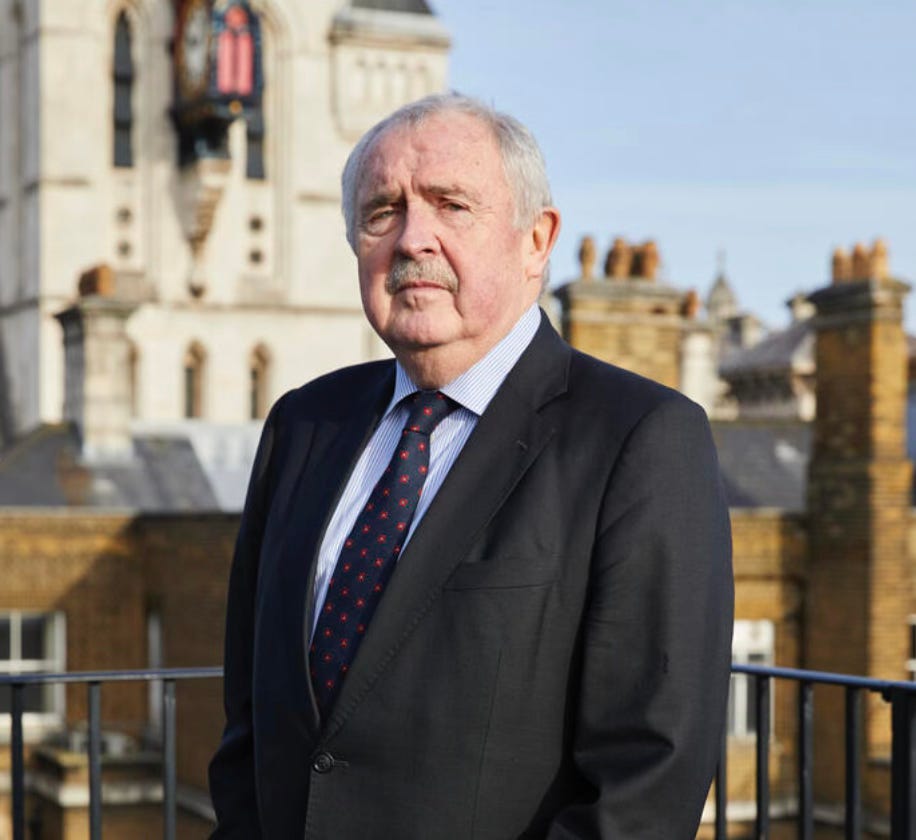
Des Collins, solicitor to the local families suffering health concerns in the area, said:
“Sadly, the council’s analysis is fatally flawed. Put simply, if you choose to look in the wrong direction you won’t find the real answers.
“We have been asking the council for months to confirm where all the toxic waste is buried and they’ve prevaricated and deflected throughout. The report they issued today treats Deene Quarry as the sole location of all contaminated waste, which we know not to be true. Taking cancer data from this area alone is wilful blindness at best.
“The strong and determined Corby community won’t be taken for fools. They know there’s a damaging health issue across the town (and possibly beyond) and recognise it is now likely to require a public inquiry to expose it.
“Frankly, the council’s obstinacy is a shocking dereliction of duty and cruelly dismissive of the valid concerns of people it is supposed to serve.”
Separately from the childhood cancer campaign group, there is another group of families led by Tracey Taylor and Maggie Mahon, who were part of the original group that fought Corby Borough Council in the 2000s and won a legal case that found their child’s birth defects were caused by the toxic waste particles that escaped into the air during the 1990s clean up.
They fear the contamination is still having an impact today, with more children being born with deformities, more cancers and more still births.
Water testing in November found that there was widespread metal contamination in Corby’s freshwaters, with hotspots in two places linked to the steelworks clean up. These areas had higher levels of cadmium and nickel. However the council and the Environment Agency has said there will be no further action following these findings by independent charity Earthwatch Europe.
News in brief
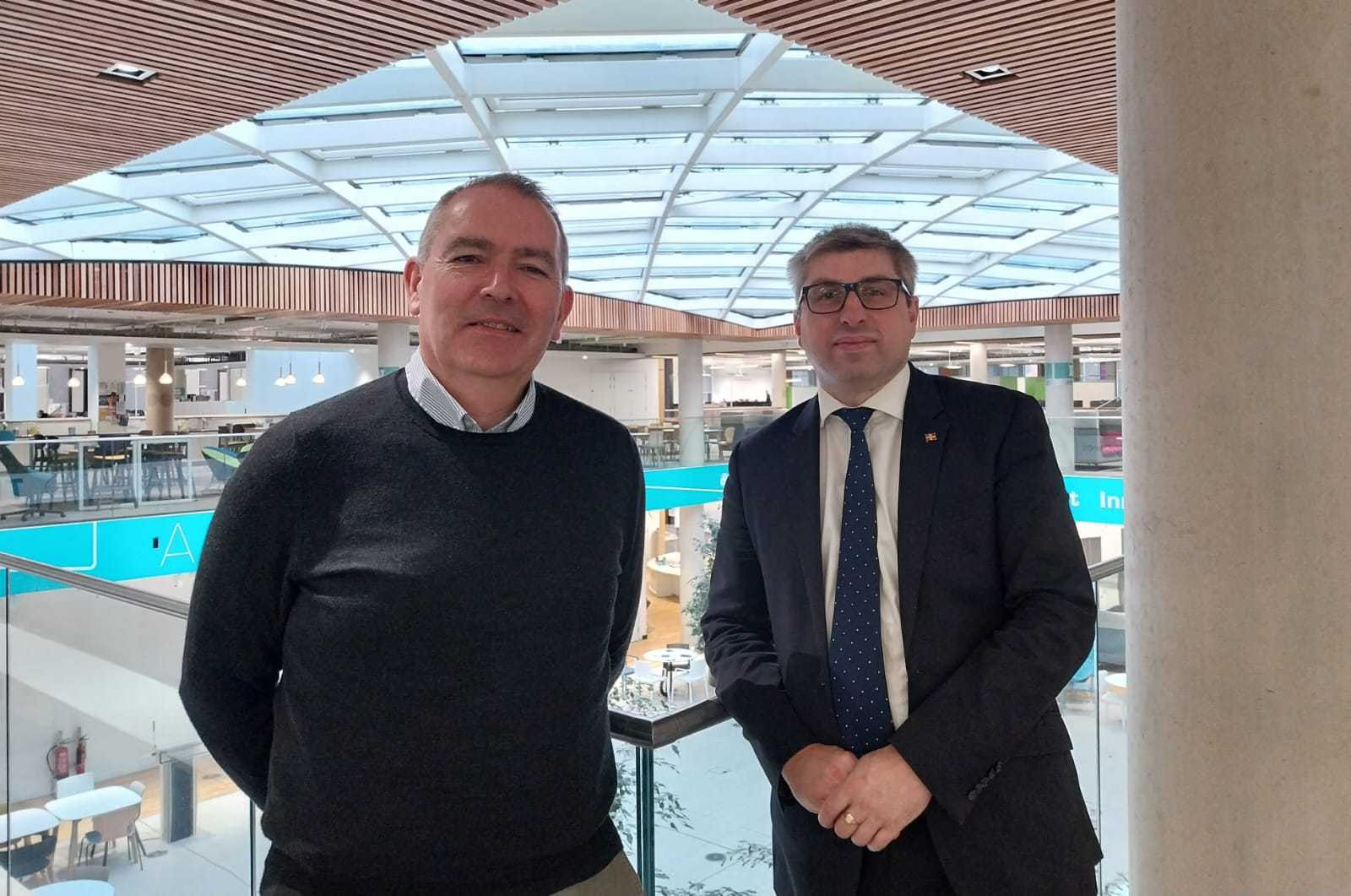
West Northamptonshire Council (WNC) paid out over £32,000 in recruitment costs to find a new chief executive to run the authority, despite the process failing to find the “ideal person”.
It was announced in December the council would pause its plans for appointing a permanent chief exec after members of the senior appointments committee interviewed numerous candidates, but decided that none were the right fit for the organisation.
A Freedom of Information (FOI) request submitted by the Local Democracy Reporting Service (LDRS) has now revealed that West Northants spent £32,430 with its recruitment partner on advertising the position.
This process ended with the council receiving 106 applications to become the council’s next CEO, with just six who were shortlisted and made it to the interview panels.
According to WNC’s announcement, Martin Henry, who stepped up as interim chief executive in November from his role as chief finance officer, will continue into the summer when a second round of recruitment will take place.
A WNC spokesman said:
“Although the senior appointments committee was not persuaded that we currently had the right fit this time round, the process was valuable and will be reflected upon when we revisit recruitment later this year.”
The senior appointments committee is a cross-party panel made up of four Reform UK councillors and one elected member from each of the Conservative, Labour and Lib Dem groups on the council. Sessions are held in private and any appointment would be escalated to full council for approval, on the recommendation of the group.
Cllr Jonathan Harris (Liberal Democrat group leader), who sat in on the interviews as a committee member, said the decision not to appoint any of the candidates in this round of recruitment wasn’t unanimous.
Since the last round of recruitment closed, neighbouring authority Buckinghamshire Council has also begun searching for a new CEO of its own, which is reported to carry a £240,000 per year salary – higher than the £200k salary advertised by West Northants.
WNC did not respond to questions on whether further rounds of the recruitment process will incur further costs to the taxpayer.
Report by Nadia Lincoln, local democracy reporter
The husband of Izzy Knight has been sentenced for her murder.
Yesterday at Northampton Crown Court Paul Knight was given a life sentence with a minimum term of 17 years and one month.
Knight, 36, killed his wife by strangulation on June 13 last year at their Burton Latimer home and then attempted to take his own life. The court heard he left a suicide note saying he had not meant to kill her, but had done so due to his cocaine addiction and financial worries.
In the months before her death Izzy, who had two children with her husband, had said she had wanted to divorce him and had been looking for other properties.
Permanent memorials placed on the site of fatal collisions will no longer be allowed on North Northamptonshire roads, after executive members voted through a new highway network management plan.
At a meeting of the executive last week, councillors considered a report which updated how North Northamptonshire Council (NNC) manages, maintains and develops its network of roads and paths.
One piece of guidance brought within the plan will ban all plaques and monuments from being placed as a roadside memorial, over concerns that it could be a distraction for motorists or an obstruction to the public highway.
The report said:
“Their long-term presence raises concerns over the maintenance, repair and insurance issues which in time are likely to rest with the highway authority. The memorials could become an attraction for vandalism, causing distress to relatives.
“Given the above and that there are alternative means of leaving a memorial to the victim of a collision, plaques and monuments will not be permitted by NNC for this purpose.”
The updated plan replaces the old Northamptonshire County Council version, which was adopted in 2021.
Report by Nadia Lincoln
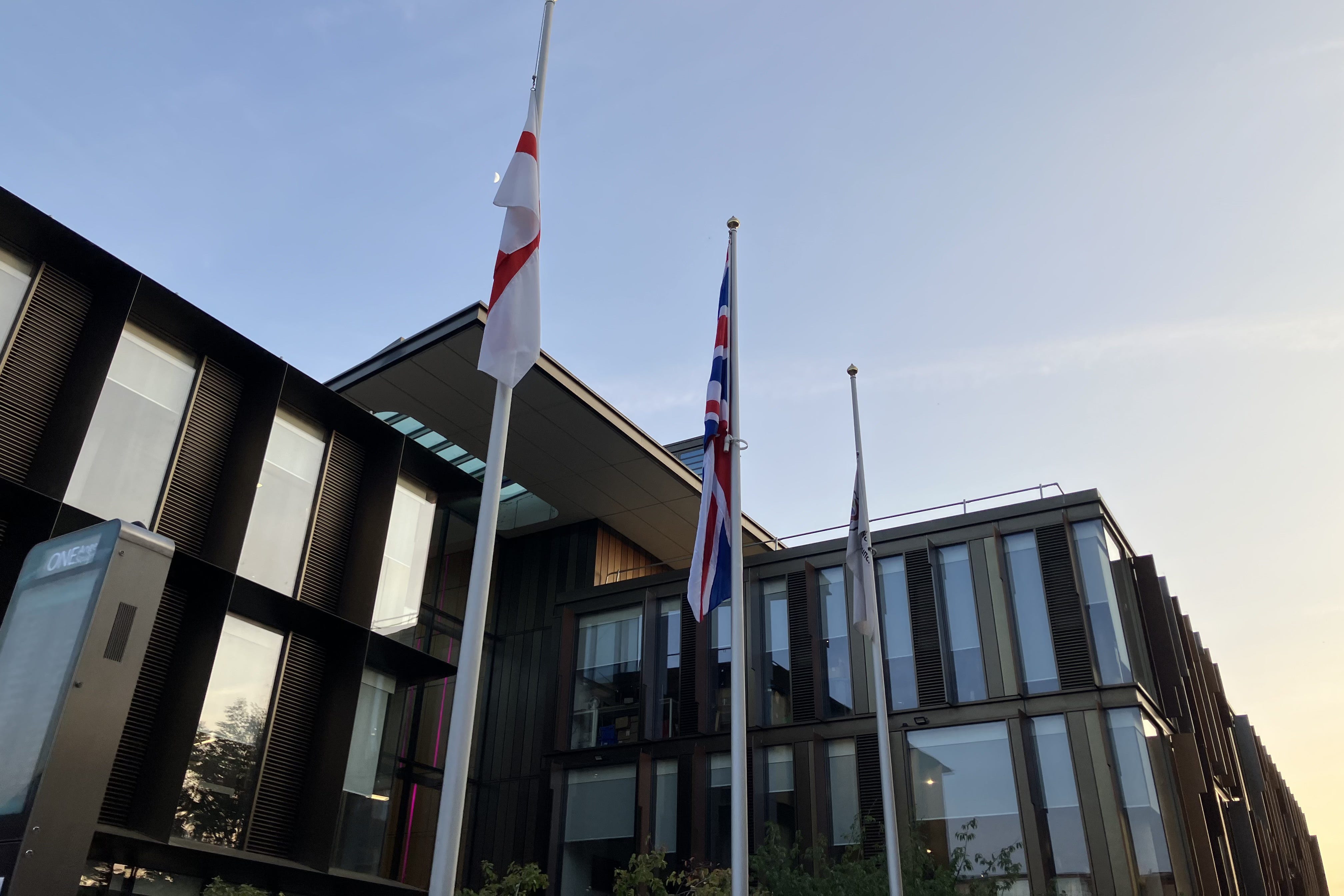
West Northants Council (WNC) is not currently “a priority” for a specialist DOGE visit, despite promises last year the national unit would start work to find wasteful spending.
After taking control of the unitary authority last May, West Northants Reform announced to much fanfare that it would be one of the first authorities to receive a visit from the party’s Elon Musk-style efficiency unit, which was tasked with auditing council spending.
Newly elected leader, Mr. Mark Arnull said that the team of software engineers, data analysts and forensic auditors poised to take a look at the council balance books would “make it that much easier to identify waste and free up funds which we can redirect towards frontline public services”.
But at the council’s place and resources scrutiny committee on Monday the cabinet member for finance, Cllr John Slope, said:
“I think it’s been looked at the level of scrutiny which West Northants undergoes itself. I think we’re less of a priority for the Reform group as such because we’re doing a damn good job here.
“That doesn’t mean to say that we wouldn’t revisit it in the future, but at the moment we’re not a priority for any specialist group to come in.“
Chair of the committee, Cllr Ian McCord (Independent) commented:
“I think it’s a simple statement of fact that there’s not been any DOGE impact directly in terms of people turning up with their laptops and going through data, but there might have been some indirectly in the background, I don’t know.
“We’ll leave it on the work programme as something we can have this pointless discussion on a regular basis.”
The 2026/27 budget will go for approval at full council on February 26. A 4.99 per cent increase is being proposed.
Residents have until next Tuesday, February 3, to respond to the public consultation on the proposals.
By Nadia Lincoln
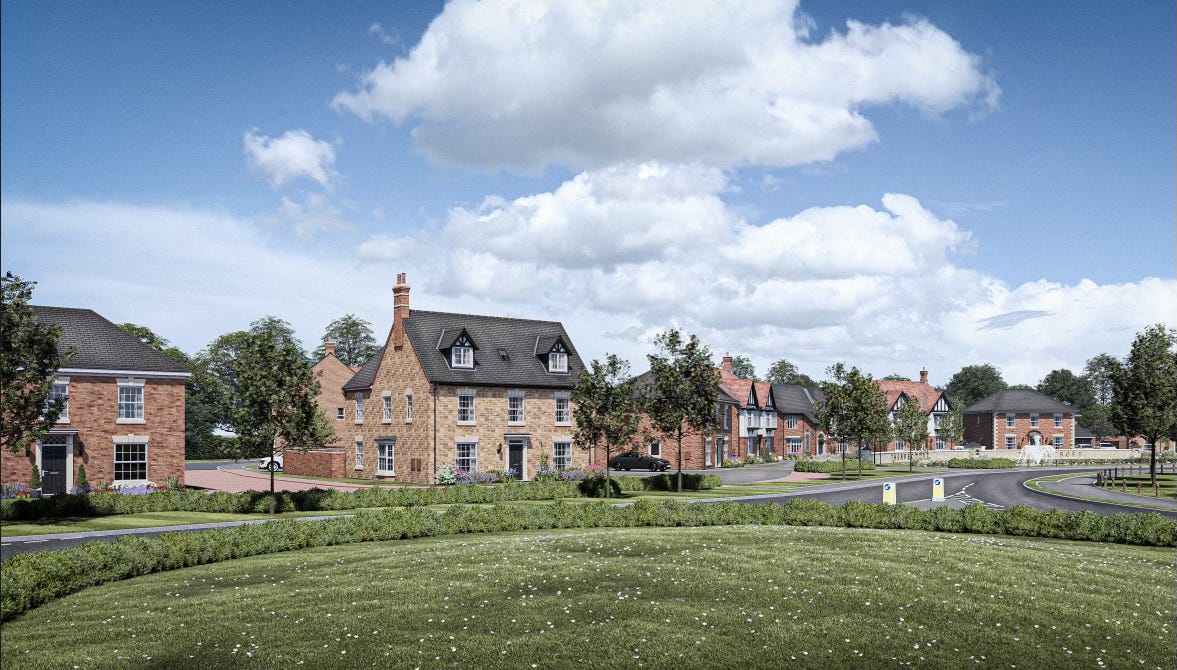
Plans to build up to 450 new homes on the edge of Northampton have been given the go-ahead, following negotiations between the council and the developer.
The proposals for the large housing development, called Roman Fields, sit to the north of the village of Harpole off Upper High Street and Roman Road. West Northamptonshire Council (WNC) planning committee considered the housing project at a meeting on Thursday, January 22.
Developers Davidsons Developments Limited and John R. Green & Iris
F. Green asked for full planning permission for 100 homes on the first parcel of land, with outline permission for a further 350 houses to follow later on. The development will also include public open spaces, pedestrian and cycle routes, a play area and landscaping.
The application was deferred by councillors in September last year to reassess the scheme’s financial viability and its levels of affordable housing, as well as exploring whether a pedestrian link from the village of Harpole to the estate could be delivered.
The site lies within the southern section of the Northampton West Sustainable Urban Extension, which will provide a local centre, primary school and other associated facilities once built out. However, concerns were raised that, until this comes forward, the homes would be isolated from any local amenities.
A proposal to approve the plans and pursue the option for 10 per cent affordable housing and having the public space under parish council control was ultimately accepted.
Developers will also be required through Section 106 conditions to make nearly £7.8 million in financial contributions to offset the impact on local services and infrastructure, including money towards public transport, education provision, libraries and the North West Relief Road.
By Nadia Lincoln
It's good to know that Davidsons Developments will be paying nearly £7.8 million in financial contributions to the Section 106 fund. It can be added to the other millions they are unable to account for.
WNC should stop spending money pursuing its ambition to build an unnecessary and unwanted crematorium in Moulton.