'My question is what are we going to do about it?'
Auditors find 'significant weaknesses' that could impact on the North unitary's financial sustainability.
By Nadia Lincoln, local democracy reporter
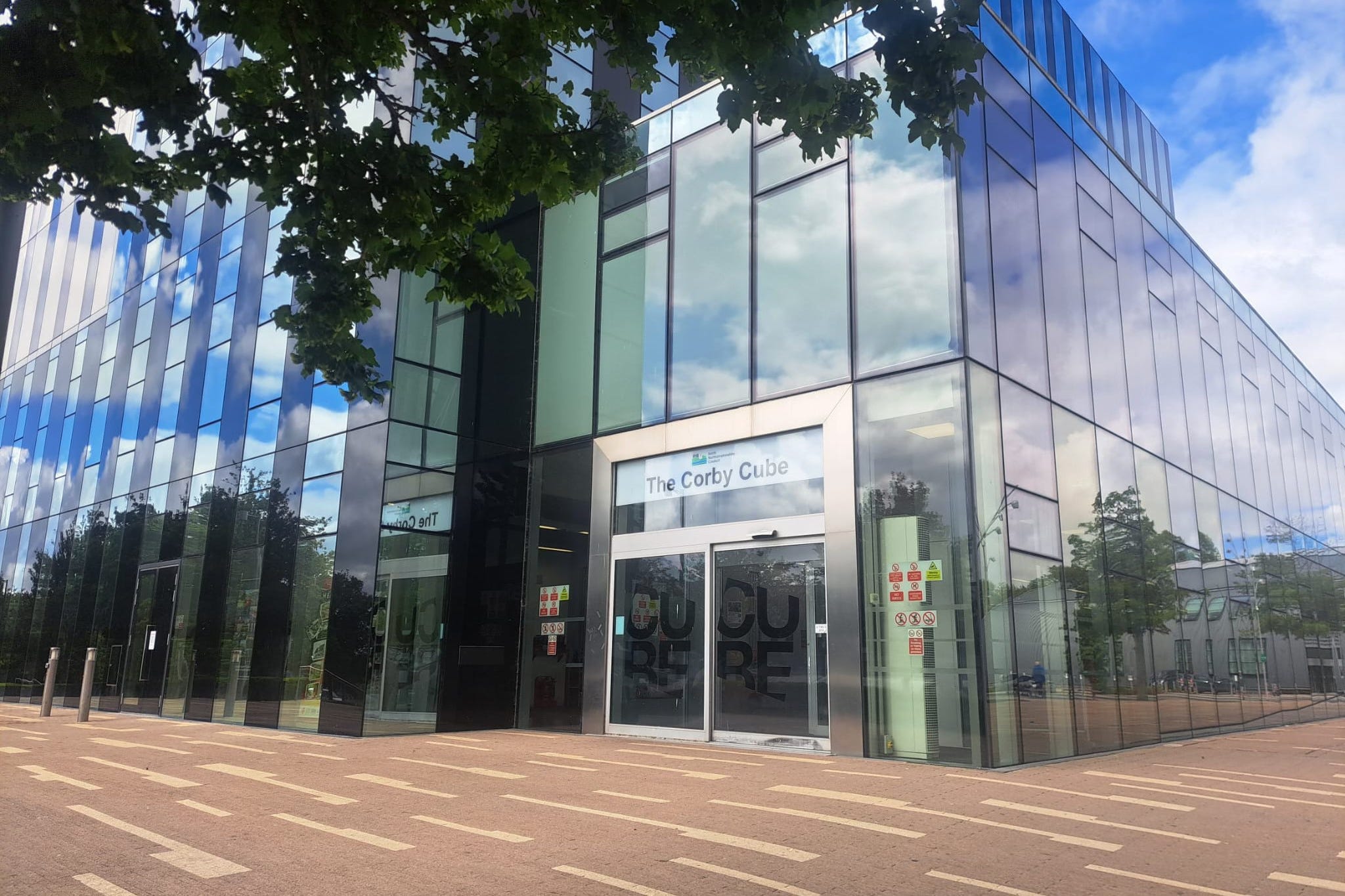
External auditors have found ‘significant weaknesses’ which could impact North Northamptonshire Council’s (NNC) financial sustainability, according to a report discussed this week.
Councillors on the authority’s audit and governance committee received an annual audit plan for 2025/26 from external auditor Grant Thornton yesterday (June 15), which set out ongoing concerns with NNC’s value for money arrangements.
It was explained that two significant weaknesses were identified in 2024/25 in relation to developing savings plans and the council’s forecast Dedicated Schools Grant (DSG) deficit, which is growing exponentially.
The report recommended that NNC develop sufficient income generation and savings schemes to bridge its medium-term budget gap, with minimal reliance on reserves. At the end of the 2025/26 financial year, NNC reported a £13.8 million overspend – the biggest yet – on its £406m budget and had to dip into reserves to balance its books, which it said will not be sustainable in the long term.
Its medium-term financial plan reports cumulative funding gaps of £13.6m for the 2027/28 year, rising to a £27.5m funding gap by 2029/30, which must be addressed.
There is also a forecast cumulative DSG deficit of £45m by the end of 2025/26, which is expected to rise to over £69m by the end of this financial year (2026/27). Though the council’s dedicated schools spending debts are currently kept off its balance sheets due to a temporary statutory override, the external auditor has warned that the trajectory of spending must still be brought under control.
The Department for Education (DfE) has announced it will cover 90 per cent of all local authorities’ DSG deficits. Despite this support, NNC’s chief finance officer Claire Edwards said the council would still likely have to fund between £7m and £8m to cover the leftover costs.
The 2025/26 plan states that auditors will undertake additional procedures to assess the progress being made to implement the actions agreed in 2024/25.
Commenting on the report, Cllr David Brackenbury (Conservative, Thrapston) said: “We’re in a mess, it’s not our fault. Much of this is the statutory service that we have to provide and we have no choice in providing that service, but nevertheless, the figures are giving, as you rightly point out, significant weaknesses in our financial sustainability.
“My question is what are we going to do about it?”
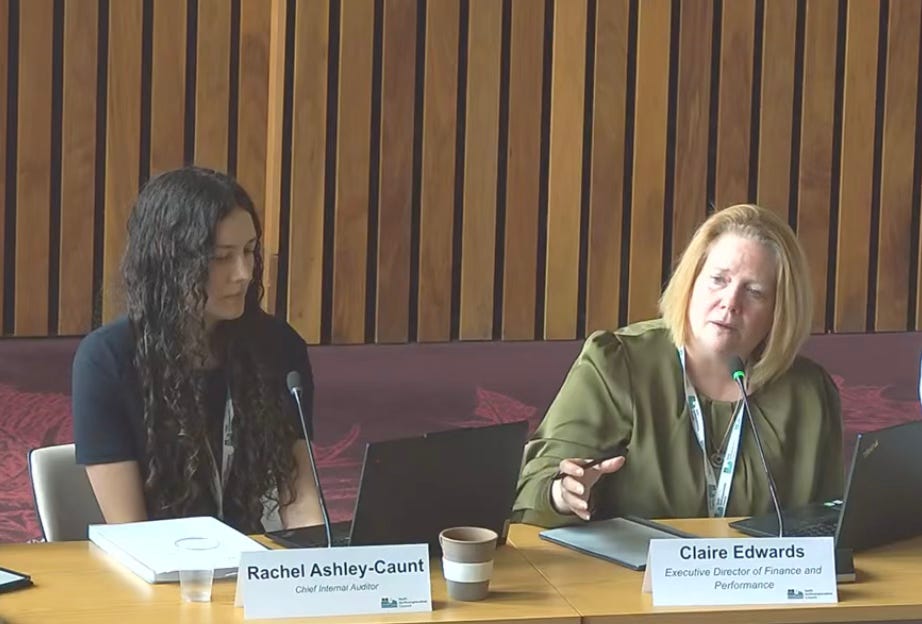
Ms Edwards said the issues with the delivery of statutory services and controlling demand would be looked at through the budget process, as well as looking at the potential for income generation in North Northants’ targeted transformation portfolio.
Another significant weakness raised related to the governance of accounts. This involved the council’s timely completion of statutory finance reporting and the need for financial statements and audit trails to be completed by officers on time this year.
Concerns were also raised around other risks identified in the valuation of land and buildings, council dwellings, investment properties, the council’s share of the Northamptonshire pension fund, and £74.1m of s106 agreements that were unable to be tested due to a lack of supporting evidence.
The finance officer explained that valuation concerns, while they were large numbers, would not pose a risk to the council’s general fund balance. She also said that s106 funds were not able to be tested because of the format they were presented in, not a lack of information, which has since been rectified.
The final 2025/26 auditor’s annual report is expected to be completed and signed off by November 2026. Statutory, key or improvement recommendations may need to be made following the completion of the external auditor’s work.
For the last two years, the external auditors have had to issue a disclaimer of
opinion due to the imposition of a backstop date.
Read again
Friday Brief: Northants Reform UK run councils clock up biggest ever overspends as long running problems remain

Northants two Reform UK run councils have managed the worst financial year on record since the authorities began.