
Council spends £1m fighting legal battles with SEN families
West Northamptonshire Council has been involved in several hundreds legal disputes with the taxpayer footing the bill.
By Nadia Lincoln, local democracy reporter
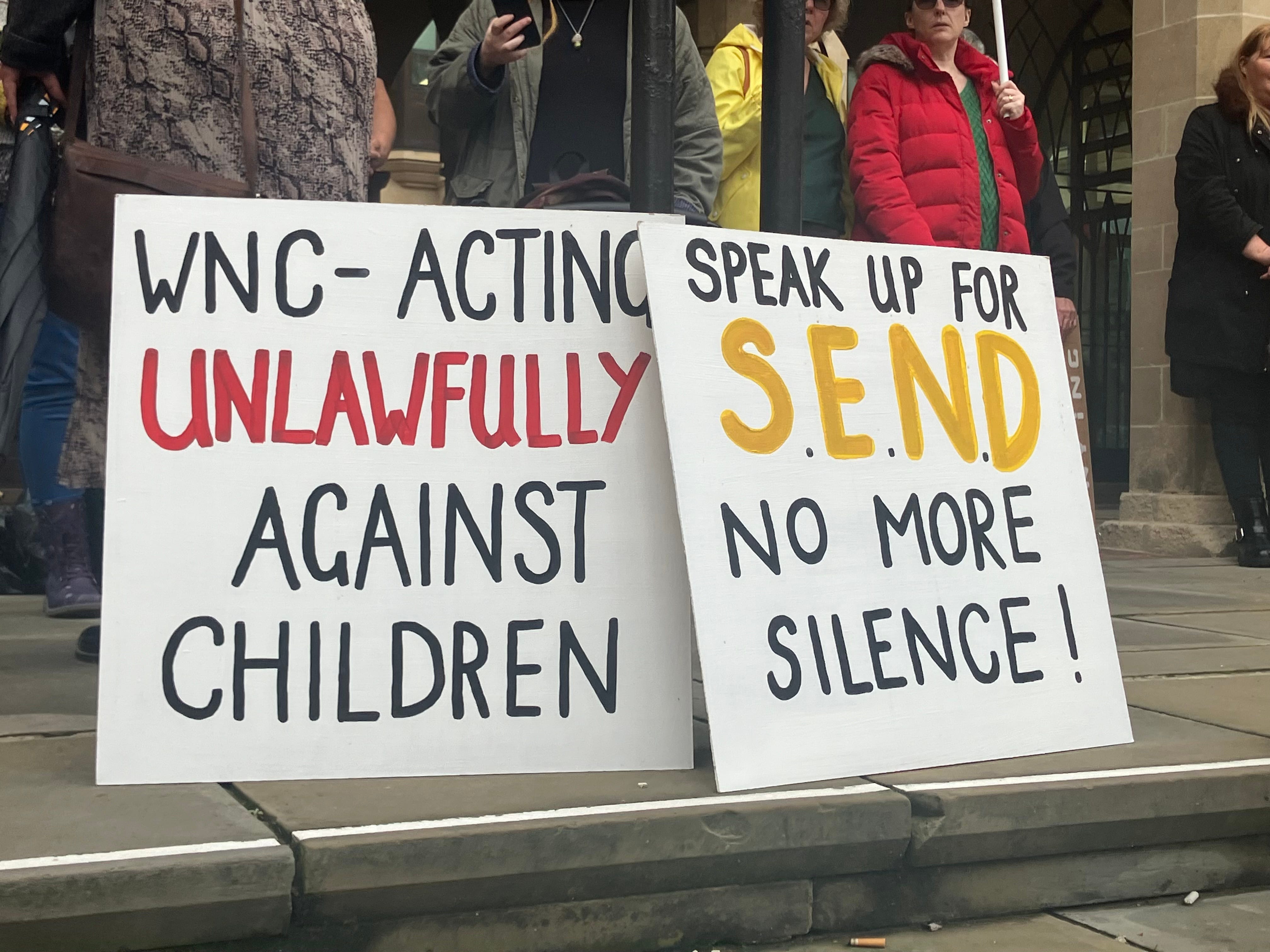
West Northamptonshire Council (WNC) has racked up a £1 million bill over the past four years fighting court cases against the parents of special educational needs children, despite losing the majority of tribunals.
A Freedom of Information (FOI) request revealed that the council has had 277 special Educational Needs and Disabilities (SEND) tribunal cases lodged against it up until the end of January in the 2025/26 financial year. The number of appeals has risen every year, from 158 cases in 2023/24 to 191 in 2024/25.
WNC said that costs are “unavoidable under the current national system”, but that it is working hard with parents and partners to try to improve outcomes.
Parents can take a case to tribunal over a refusal to carry out an Education Health and Care Plan (EHCP) needs assessment, appealing a refusal to issue an EHCP and appealing the contents or the named school within the plan.
Amid increasing numbers of families taking the authority’s decisions on education and school placements to tribunal, the legal costs for WNC defending them are once again on the rise. In total, since 2022/23, the council has spent £1,083,312 on legal costs for defending SEND tribunal cases.
WNC reported its spend as £305,115 in 2022/23, £293,666 in 2023/24 and £227,719 in 2024/25. Up until the end of January in 2025/26, £256,812 has been spent.
Despite this level of spend, of all of the cases heard so far in 2025/26, just three per cent were dismissed (the outcome was in favour of the council’s original decision). In comparison, WNC decided to withdraw (not fight the appeal) in around one third of cases and the appeal was upheld or upheld in part (the outcome was in favour of the parent) in 65 per cent.
WNC has reported only having 14 cases dismissed at tribunal over the last three years.
The West Northants SEND Action Group, which is a group of SEND parents in the local area, has claimed the data counteracts the council’s claims of progress and improvement in its special educational needs services.
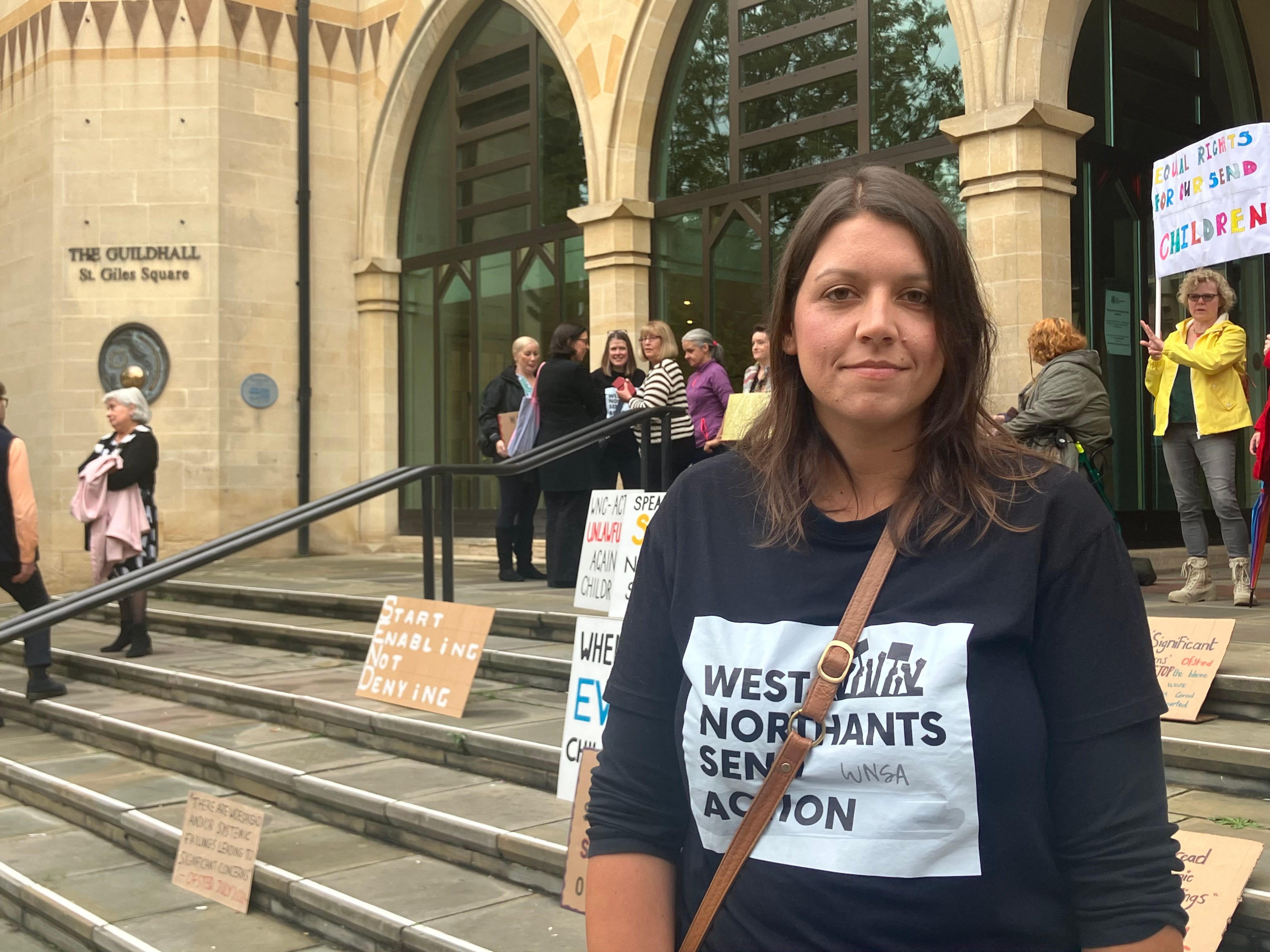
Lauren Bunting, co-founder of the group, said:
“If [WNC] were improving as much as they’re claiming we wouldn’t be seeing these figures, this would be coming down.
“They’ve spent over a quarter of a million pounds of public money fighting parents at tribunal and they lose most of those cases, or they withdraw right before the hearing. How can they justify that spend?
“[The appeals process] is incredibly stressful and for people who have their own learning difficulties or mental health challenges, it can be near enough impossible. The local authority frequently misses deadlines or doesn’t engage with the process, which ends up with the parents and child being punished for their failure to comply.
“There’s years of stress for those families who are waiting, and all the while their child’s not in education, or not in education that’s working for them.
“If they were making the right decisions, then they would have more [appeals] going in their favour.
“Why are they fighting when they surely know that they’re wrong in most of those cases? It often feels like ‘let’s make the wrong decision and see if they bother to appeal or not’.”
In response, Cllr Michael Stratton, cabinet member for children, families and education, said:
“Like councils across the country, we are seeing an increase in SEND appeals and costly tribunals in recent years, which is a sad reflection of a national system that’s effectively broken and urgently needing reform.
“We are working hard with parents and our partners to try to improve outcomes, but with unprecedented rising demand for services and diminished funding we all continue to face an uphill struggle.
“No-one wants to see taxpayers’ money spent on appeals and tribunals but sadly these costs are unavoidable under the current national system. We have a legal duty to properly assess evidence and ensure decisions are lawful, sustainable and balanced with a duty to spend public funds responsibly.
“We are making progress in a number of areas, including the timeliness of our EHCPs, which continue to steadily improve, and in how we engage families and schools earlier in the process. We recognise, however, that there is still wider work to do.
“Our clear focus remains fully and firmly on delivering our SEND improvement plan and continuing to improve the service for children and their families across West Northants.”
If the Council has "a legal duty to properly assess evidence and ensure decisions are lawful" but only 3% of appeals are found in their favour then they are clearly failing in their legal duty.
ReformUK's war against the SEND children's families.